Art and Civilization of the Sasanian (ساسانی) Empire
- Keyvan Shovir

- Oct 1, 2025
- 6 min read
By Keyvan Shovir
The third century CE marks the rise of the Sasanian (ساسانی) dynasty, an Iranian power born in Fars. They revived the political and spiritual identity of Iran by grounding their authority in Zoroastrian faith and the ancient heritage of the Achaemenids. What fascinates me as an artist is how they turned memory into material form — transforming history into architecture, sculpture, textiles, and music that endured for over four centuries (226–651 CE).
Architecture: The Spirit of Space
The Sasanian (ساسانی) builders inherited Parthian traditions yet transformed them into something monumental. Domes, vast halls without columns, and the invention of the squinch (سهکنج) defined their architectural achievements. Structures like the Taq Kasra (Arch of Ctesiphon) still stand as symbols of ambition and sacred power.
For me, their architecture is not just stone but philosophy — the idea that space itself can carry spiritual weight.

Fire Temples: The Geometry of Devotion
In Zoroastrian ritual, fire symbolized divine light. The Sasanian (ساسانی) period crystallized this symbolism into fire temples (آتشکده), with four arches and a dome. These structures inspired Islamic chahar-taqi and four-iwan mosques, shaping the sacred spaces of later centuries.
Sculpture and Reliefs: Power in Stone
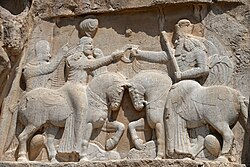
The cliffs of Fars became living canvases where Sasanian (ساسانی) kings carved their triumphs. From Shapur I’s victory over the Roman Emperor Valerian to intricate hunting scenes, these reliefs fused realism with cosmic order. Inside caves, colossal statues such as the three-times-life-size figure of Shapur I embodied grandeur and immortality.
Ornament and Painting
The Sasanian (ساسانی) artistic language extended into various forms of visual expression, prominently featuring stucco, mosaics, and paintings. This rich artistic tradition flourished during the Sasanian Empire, which lasted from 224 to 651 CE, and was characterized by its intricate designs and vibrant colors. Palace walls, adorned with elaborate decorations, glowed with depictions of birds, plants, and mythic scenes that conveyed not only aesthetic beauty but also cultural and religious significance. These artworks often served to illustrate the power and divine right of the Sasanian rulers, depicting them in a context that intertwined the natural world with the supernatural, thus reinforcing their authority and connection to the divine.
In addition to the grand murals and wall decorations, the Sasanian period also saw the creation of illustrated Manichaean books, most notably the Arzhang. This unique text combined sacred geometry with human figures, creating a visual language that was both symbolic and narrative in nature. The illustrations within the Arzhang were not merely decorative; they served as a means of conveying complex theological ideas and stories central to Manichaean beliefs. The integration of geometric patterns with anthropomorphic representations laid a crucial foundation for the development of later Islamic manuscript art, as these elements influenced subsequent artistic traditions across the region.
Furthermore, the Sasanian artistic style was marked by its ability to blend various influences, drawing from the rich tapestry of cultures that interacted with the empire, including Hellenistic, Roman, and Central Asian elements. This synthesis created a distinctive aesthetic that was recognized for its elegance and sophistication. The use of stucco allowed for intricate relief work, while mosaics showcased colorful tesserae that reflected light beautifully, enhancing the visual impact of public and private spaces alike. The legacy of Sasanian art can still be seen in the vibrant artistic expressions that emerged in the Islamic Golden Age, where many of the techniques and themes pioneered during the Sasanian period were adapted and transformed into new forms of artistic expression.
Textiles: Woven Worlds
Perhaps their most global contribution was in textiles, an area where the Sasanian Empire truly excelled and left a lasting legacy that extended far beyond its borders. Sasanian (ساسانی) silk and brocaded fabrics, renowned for their intricate designs and vibrant colors, became symbols of refinement and luxury across the world. These exquisite textiles were often adorned with elaborate motifs featuring circles, animals, and mythic birds, each design steeped in cultural significance and artistry. The use of such imagery not only reflected the rich natural environment of the region but also conveyed deeper meanings, often inspired by the mythology and folklore of the Sasanian people. The Sasanian textile industry thrived due to the empire's strategic location along the Silk Road, which facilitated trade with distant lands. As a result, their fabrics were sought after by merchants and nobility alike, making their way into the courts of distant empires and influencing fashion trends in places as far-reaching as Byzantium and China. The craftsmanship involved in producing these textiles was exceptional, with skilled artisans employing techniques passed down through generations. The weaving process itself was a labor-intensive endeavor, often requiring the collaboration of multiple artisans to achieve the desired level of detail and complexity in each piece. Among the most iconic creations of the Sasanian textile artisans was the legendary “Spring of Khosrow” carpet. This magnificent piece, woven with silk threads interlaced with gold and embellished with precious stones, transcended the realm of mere decoration. It was more than an object; it was paradise materialized, a tangible representation of the ideals of beauty and opulence that the Sasanian Empire aspired to embody. The carpet's design was not only visually stunning but also symbolized the divine and the earthly, often depicting lush gardens and serene landscapes that evoked a sense of tranquility and harmony. The significance of such textiles extended beyond their aesthetic appeal; they were also a means of social and political expression. The possession of Sasanian silk and brocade was a status symbol, a way for the elite to showcase their wealth and sophistication. In many ways, these textiles served as a bridge between cultures, facilitating exchanges and interactions that enriched the artistic traditions of various societies. The enduring influence of Sasanian textiles can still be seen in contemporary fabric designs, where the echoes of their artistry continue to inspire and captivate audiences around the globe.
Metalwork, Glass, and Coins
Unlike humble ceramics, Sasanian (ساسانی) metalwork dazzled with an extraordinary array of silver and gold vessels that were meticulously hammered and gilded, showcasing intricate scenes that depicted themes of kingship and the timeless pursuit of hunting. These vessels were not merely functional objects but rather artistic expressions that conveyed the power and prestige of the Sasanian Empire. The craftsmanship involved in creating these metalworks was a testament to the skilled artisans of the time, who employed techniques that had been refined over generations. The coins produced during this era carried significant cultural weight, featuring the faces of kings on one side, which not only served as a means of currency but also as a declaration of authority and lineage. On the reverse side, these coins often depicted sacred fire temples, symbolizing the Zoroastrian faith that was central to Sasanian identity. This dual imagery on the coins served to reinforce the connection between economic transactions and the cultural identity of the Sasanian people, effectively merging art with the everyday lives of the citizens. In addition to metalwork, the Sasanian era was marked by remarkable advancements in glassmaking. Artisans achieved a level of mastery that allowed them to create translucent vessels that were cut into shapes of delicate brilliance. These glass pieces were not only functional but also served as decorative items that reflected the wealth and sophistication of their owners. The techniques employed in glassmaking during this time included blowing, molding, and cutting, which resulted in intricate designs that captured light beautifully. The interplay of these artistic forms—metalwork, coinage, and glass—was indicative of a vibrant culture that valued both utility and aesthetics. Each piece, whether it was a gilded vessel, a coin bearing the likeness of a king, or a finely crafted glass object, contributed to a rich tapestry of Sasanian life, illustrating the empire's grandeur and its enduring legacy in the history of art and craftsmanship. The Sasanian Empire, through its artistic achievements, left a lasting impression that continues to be studied and admired for its innovation and beauty.
Music and Theater: The Invisible Arts
Under Khosrow II, the Sasanian (ساسانی) courts became a cradle of Iranian music. Masters like Barbad and Nakisa created modes and melodies that still echo in Persian music today. Theater and performance, rooted in rituals and myths, carried stories of mourning, celebration, and divine cycles — traditions that resonate through Iranian culture even now.
Legacy and Reflection
Though the dynasty fell to internal strife and foreign wars, Sasanian (ساسانی) art survived. Their architecture influenced Islamic mosques, their textiles shaped global design, their music echoed into Persian tradition, and their visual language spread far beyond Iran.
For me, the Sasanian (ساسانی) legacy is not only historical — it is living. They remind us that art is not mere ornament but language, power, and light. It is the thread that ties us, across centuries, to memory and imagination.


Comments